



November in Pennsylvania can be a turning point. One week you’re raking leaves in a jacket, and the next you’re scraping frost off the windshield before 7 a.m. That shift in temperature is exactly when your plumbing is most at risk.
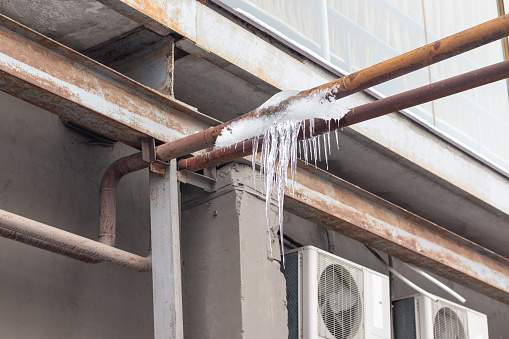
Frozen pipes are one of the most common and costly home emergencies Pennsylvania homeowners face each winter. When water inside a pipe freezes, it expands and puts pressure on the pipe walls. That pressure can crack or burst the pipe, and once it thaws, you’ve got water flowing somewhere it absolutely should not be.
The good news? Knowing what to do in those first few minutes makes a real difference. Here’s how to handle a frozen pipe situation before our Madsen team arrives.
How to Spot a Frozen Pipe
The most obvious sign is turning on a faucet and getting little to no water flow. You may also notice visible frost on exposed pipes in the basement, crawl space, or along an exterior wall. Sometimes you’ll hear a faint gurgling or no sound at all when you flush a toilet or run water.
Pipes most likely to freeze are those along outside walls, in unheated spaces like garages or attics, or under kitchen and bathroom cabinets that back up to an exterior wall.
Step One: Shut Off the Water
The moment you suspect a frozen or burst pipe, find your main water shut-off valve and turn it off. For most homes in our area, that valve is in the basement or utility room near where the main line enters the house. Turning it clockwise shuts off the water.
Every adult in your household should know where this valve is before an emergency happens. If you’re not sure where yours is located, take a few minutes this month to find it and make sure it turns freely.
If the issue is limited to one fixture, like a bathroom sink, check for a local shut-off valve underneath. Those small oval valves turn clockwise to close, containing the problem in one spot.
Step Two: Turn Off the Water Heater
Once the main water supply is off, switch off your water heater. If your unit is electric, flip the breaker. If it’s gas, use the shut-off valve on the unit itself. A water heater that keeps running without water coming in can overheat and cause a separate problem on top of the one you already have.
Step Three: Open the Faucets
Open faucets throughout your home, starting with the lowest one in the house, like a basement sink or tub. This releases any remaining pressure in the pipes and helps water drain out. If a pipe has cracked but not yet burst, relieving that pressure can slow things down considerably while you wait for help.
Step Four: Apply Gentle Heat to the Frozen Pipe
If you can see and safely reach the frozen section of pipe, you can try to warm it up slowly. A hair dryer on a low setting or a heating pad wrapped around the pipe both work well. Start at the faucet end of the pipe and work your way toward the coldest section.
Never use an open flame, a propane torch, or any intense heat source on a frozen pipe. Heating the pipe too fast can crack it or create a weak spot that fails later.
Keep the faucet open while you apply heat. When the ice starts to melt, water will begin trickling out. That flow helps move the thaw along.
Step Five: Protect What You Can
While you wait for our technician, move anything near the affected area that could be damaged by water. Rugs, boxes, electronics, and furniture should all get out of the way. If there’s already standing water, use towels or a wet/dry vacuum to soak up as much as possible.
If the leak is near any electrical outlets or wiring, do not wade through standing water. Shut off power to that area of the house at the breaker before going near it.
Take a few photos of the damage before you start cleaning up. If you need to file a homeowner’s insurance claim, those images will be useful documentation.
What Not to Do
Skip the DIY pipe repair until a licensed plumber has assessed the damage. A temporary fix with duct tape or pipe wrap might slow the drip, but it won’t hold once full water pressure is restored. Attempting a repair on your own can make the situation worse and more expensive to fix.
Also, don’t turn the main water back on until a professional has checked the line. What looks like a small crack can open up fast under pressure.
Prevent the Next One
Once the emergency is handled, there are a few simple habits that keep pipes from freezing again. Keep your thermostat set to at least 55 degrees, even when you’re away. Open cabinet doors under sinks along exterior walls on the coldest nights to let warm air reach the pipes. Let faucets drip slightly when temperatures are expected to drop well below freezing.
If you have pipes in unheated spaces that have given you trouble before, pipe insulation from the hardware store is a quick and inexpensive fix. Our team can also help you identify spots in your home that are most at risk.
We’re Ready When You Need Us
Since 1946, Madsen has been the team Delaware and Chester County families call when something goes wrong at home. Frozen pipes, burst lines, water damage, we’ve seen it all, and we know how to get your home back to normal fast.
Call us at (610) 356-4800 to schedule a plumbing inspection before the real cold sets in. A little prep now goes a long way toward a worry-free winter.